


Netflix Wins Day in Congressional Hearing
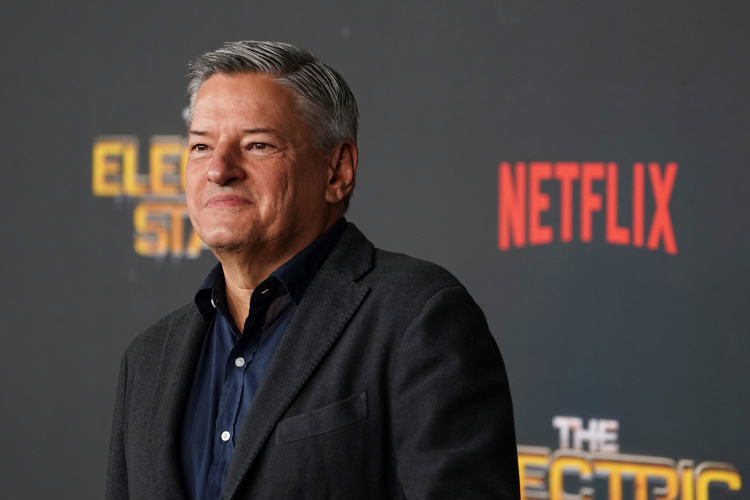
Netflix faced a tough grilling in a Congressional hearing this week about their effort to merge with Warner Brothers and was given the opportunity to make their case that the merger will benefit consumers of streaming services. Politicians like to give CEOs a hard time, yet the big take-away from the hearing was that there should be little concern about too much control by one company over streaming services. There is plenty of competition today in the streaming service space and, when this deal is approved by regulators, there will remain strong competition for customers in the streaming space.
Following the testimony of Netflix co-CEO Ted Sarandos before the Senate Judiciary Subcommittee on Antitrust, Competition Policy, and Consumer Rights on Tuesday, one message rang through: the case for merger is clear. The hearing was a crucial test of whether Netflix’s proposed acquisition of Warner Bros.’ signature assets would stand up to scrutiny on three key pillars: market competition, consumer benefit, and American global leadership in entertainment. Netflix not only passed that test – Sarandos made the case that the deal accomplishes all three.
In his testimony, Sarandos reminded lawmakers that Netflix is a 100 percent American-owned success story. Describing how his own love of on-screen entertainment was hatched as a teenage video store clerk in Arizona, he laid out Netflix’s amazing business trajectory: The company started small, grew into a DVD mail service, and then went on to become a global entertainment leader by investing in streaming technology before most Americans even had broadband.
“Netflix is astonishing in what it's done out of nothing,” noted Vermont Democratic Sen. Peter Welch, a member of the committee.
Most importantly, as Sarandos reminded the panel, Netflix succeeded without foreign funding, without compromising American values, and without bending to foreign censorship. “About the only place you won’t find us is China, which blocks and censors American entertainment,” he said.
Indeed, Netflix’s refusal to operate in China, despite that country’s huge consumer market, is not just a business choice – it is an important statement about standing up for American culture and principles. It’s a story that could only happen here: powered first by the U.S. Postal Service, driven by innovation, and fueled by the free market.
In his testimony, Sarandos laid out the facts: Netflix has been responsible for more than 150,000 American jobs in the past decade, has filmed in all 50 states and contributed $225 billion to the U.S. economy.
Jobs, for Netflix, aren’t just for actors and directors: they include construction crews, caterers, and small businesses in communities across red, blue, and purple states. It is about keeping production work here instead of shipping it overseas. In fact, Warner Bros. Chief Revenue and Strategy Officer Bruce Campbell said Netflix’s commitment to production growth was a top reason the Netflix merger was so appealing.
Sarandos and Campbell both showed the proposed merger is a vertical combination, not a horizontal consolidation. These are complementary businesses, not duplicates. Netflix brings streaming innovation that’s driving impressive growth in America’s entertainment industry; Warner Bros. brings a historic legacy of world-class film and television production, theatrical distribution, and iconic franchises.
The entertainment marketplace, both Sarandos and Campbell described, is far broader than paid streaming. Platforms like YouTube compete directly for consumer attention with scripted entertainment, live sports, and creator-driven programming. Even the Oscars will soon be hosted on YouTube after more than 50 years on ABC. In this new and ever-changing environment, the idea that combining two subscription streaming services might create monopolistic power is increasingly difficult to defend. The real competition is for attention across all linear and digital platforms, and that competition is fierce.
“This explains why Netflix, with all of our success, are only about 9% of TV viewing time in the US. With Warner Bros., we’ll be about 10%. This deal keeps one of the most iconic Hollywood studios healthy and competitive,” Sarandos said.
Netflix’s record also shows it is committed to free expression. It has resisted calls to censor content, kept diverse opinions on its service, and given families best-in-class controls so parents – not bureaucrats or corporate censors – decide what their children can watch.
“Netflix has no political agenda of any kind,“ Sarandos told the panel. “We have a great deal of programming on Netflix for all left, right and center.”
Congress and antitrust regulators should step aside and let the market work. Let consumers, not politicians, decide where they spend their money and what they watch. Netflix has shown that it can innovate, compete, and lead without compromising on values – exactly the kind of leadership America needs in the global entertainment race. The hearing made that plain: Netflix came out on top, and America will be better for it.
